There’s something almost magical about taking what’s often viewed as waste and turning it into life-sustaining soil. Kitchen scraps—those vegetable peels, coffee grounds, and leftover greens—often make their way to the trash without a second thought. Yet, these very items hold the key to creating nutrient-rich black gold soil right in your home. In just six weeks, I’ve discovered the transformative power of composting, specifically through vermicomposting, and it’s time to delve into how you can do the same.
Highlights
- Vermicomposting is a game-changing method: it utilizes red wigglers to break down kitchen scraps efficiently. 🐍
- Reducing your organic waste not only helps the planet but also promotes sustainable gardening. 🌱
- With a few simple steps, you can create black gold soil that nourishes your garden. 💚
- Minimal space needed—perfect for home composting in apartments or small yards. 🏠
Did you know that up to 40% of food produced in the US ends up as waste? Composting can help change this staggering statistic! 💡
Understanding Composting: The Basics
Before diving into the specifics of vermicomposting, it’s essential to grasp what composting is all about. At its core, composting is the natural process where microorganisms break down organic matter into a dark, crumbly substance known as compost or humus. This rich material is a treasure trove of nutrients crucial for soil enrichment and plant health.
Imagine transforming your kitchen scraps into a product that rejuvenates your garden soil! Each time I toss in vegetable peels and coffee grounds, I can almost see the potential for growth blossoming. It’s not just about reducing waste; it’s about enriching the earth beneath our feet. As we shift to more eco-friendly practices, composting emerges as a leading hero in our sustainability efforts.
Diving into Vermicomposting
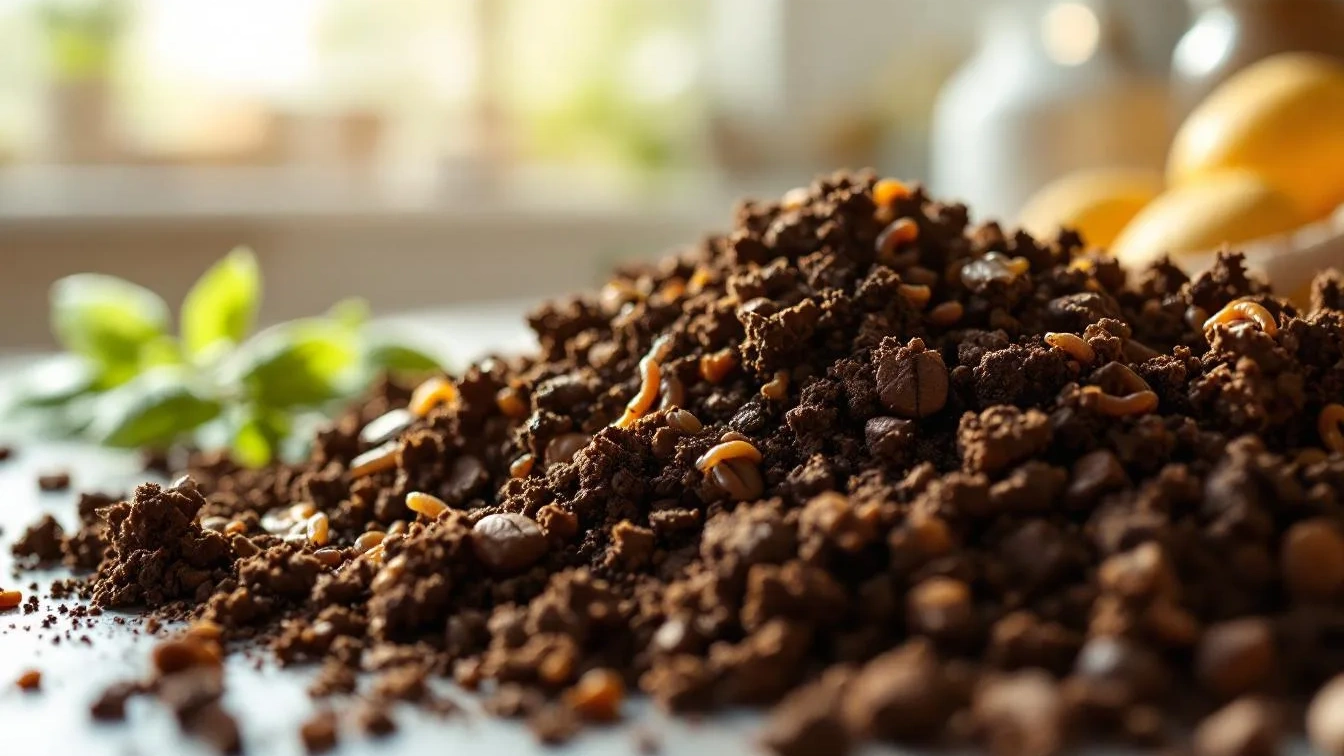
So, what’s the secret sauce? Vermicomposting employs specific earthworms, primarily red wigglers, to break down organic waste. These little creatures are incredibly efficient, thriving in dark, moist conditions while munching through our kitchen scraps. They literally transform organic waste into nutrient-rich worm castings—our coveted black gold.
Setting up your vermicomposting system at home is simpler than you might think. Here’s how I got started:
- Choose a Bin: You can use a plastic or wooden container. I opted for a simple 10-gallon plastic bin to ensure my worms had enough space to thrive. 🪣
- Prepare the Bedding: Layer shredded newspaper, cardboard, and coconut coir. This creates a soft, moist environment for the worms to flourish. 🌿
- Introducing the Worms: I added about one pound of red wigglers for every pound of food scraps I estimate weekly. Watching them arrive feels a little like welcoming new pets! 🐛
This little setup has revolutionized my kitchen waste scenario. Instead of heading to the landfill, my organic waste is now an integral part of a recycling system right in my home.
Feeding the System: What to Include
Feeding your worms is where the magic really happens. Keeping their diet varied helps accelerate the composting process and ensures optimal health for our wriggly friends. Here’s a quick list of what you can safely feed them:
- Fruit and vegetable scraps (think banana peels and apple cores) 🍏
- Coffee grounds and filters ☕
- Fresh grass clippings and garden trimmings 🌾
- Avoid meat, dairy, and oily foods—those attract unwanted pests!
In just a few short weeks, you’ll see the transformation as the worms turn those scraps into a fine, dark material that’s as rich in nutrients as it is fragrant. Watching the process unfold is akin to witnessing nature’s alchemy.
Utilization of Your Black Gold Soil
After about six weeks, your compost is ready for use. This isn’t just dirt; it’s a powerhouse for your plants! Here’s how I incorporate my worm castings in my gardening routine:
- Soil Amendment: Mix it into garden beds before planting for improved texture and fertility. 🌱
- Mulch: Spread a layer on top of the soil around plants to retain moisture and suppress weeds. 🍂
- Potting Mix: Blend with regular potting soil for container gardens—perfect for urban gardeners! 🪴
Each time I apply my homemade black gold, I can sense the excitement in my plants as they thrive. It’s not just gardening; it’s a gift to the earth!
Challenges and Solutions in Composting
Like any endeavor, composting comes with its challenges. I faced issues such as odor and pests initially, but these common problems are often easy to fix. The first step is maintaining balance: too much food can lead to a smelly bin, while insufficient moisture can stall the process.
Here’s a short troubleshooting guide:
- Bad Smell: This usually means the pile is too wet. Turning it and adding dry materials can help! 🚨
- Pests: These often arise from exposed scraps. Keeping the bin covered is crucial for preventing unwanted guests. 🐜
- Slow Decomposition: If things are sluggish, ensure you’re regularly turning the pile and maintaining proper balance between green and brown materials. 🔄
Every challenge becomes a lesson in my composting adventure, adding to the satisfying journey of turning waste into life-sustaining resources.
The Sustainable Choice: Join the Movement
As we wrap up this exploration into vermicomposting, consider the sustainable choices you have in your own home. Not only does transforming kitchen scraps into black gold reduce your environmental footprint, but it also enhances the vitality of your garden and the health of the planet.
With simple steps, anyone can spurn wastefulness and embrace a life of sustainability. Are you ready to make a difference right from your kitchen? Join the movement, and let’s work towards a greener tomorrow—one worm cast at a time!