
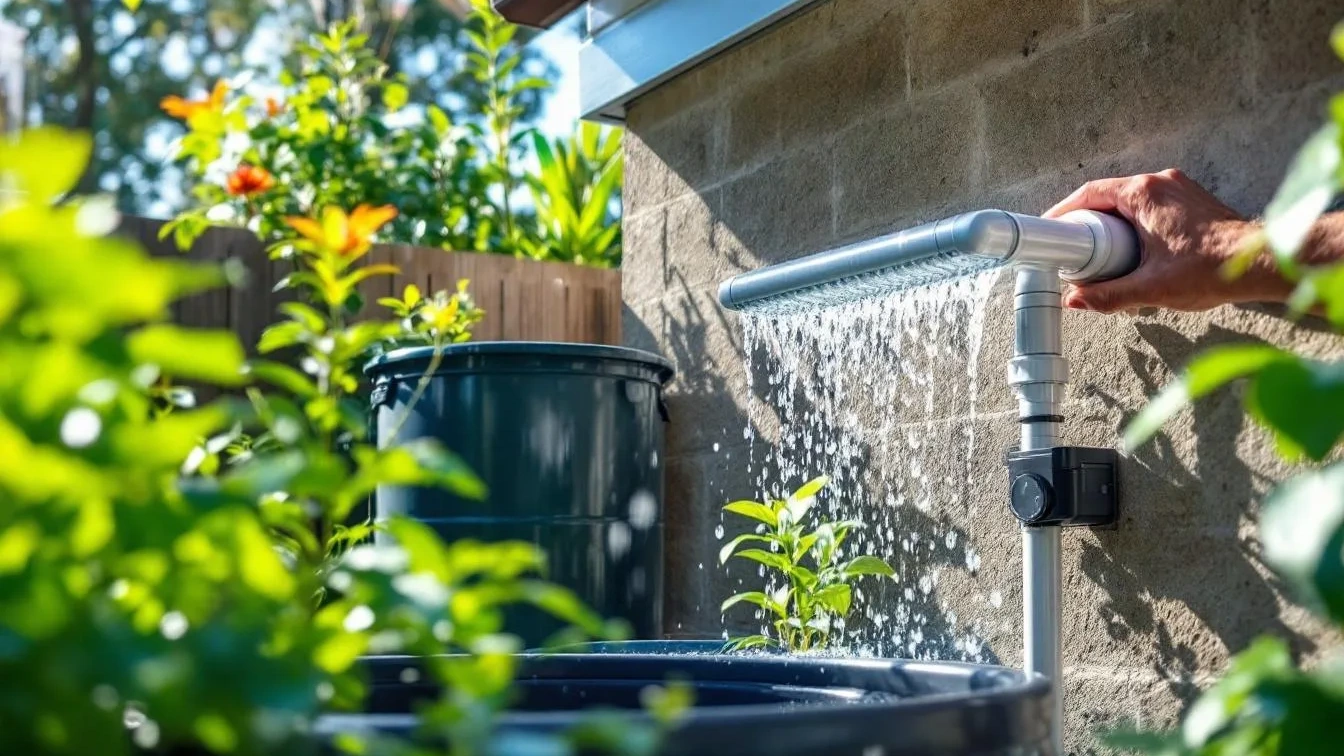
As I step outside in January, chilly air filling my lungs, I can’t help but think of the resilience of our gardens, particularly how rainwater can transform even the driest patches of earth. The clouds above may not seem particularly inviting yet, but I know that spring is just around the corner, bringing with it the promise of heavy rains. This leads to a crucial point: how can we harness nature’s bounty responsibly? After several trials and errors, I’ve learned that successful rainwater collection is not just about putting a barrel under a downspout; it’s about understanding the rules and nuances that come with it. Let’s break this down.
Highlights
- Know the Law: 📝 Rainwater collection legality varies by state. Always check local regulations.
- Stay Clean: 🚿 Use first-flush diverters and screens to maintain water quality.
- Appropriate Systems: 🏠 Choose rainwater systems that match your garden’s size and needs.
- Prevent Mosquitoes: 🚫 Secure covers on barrels to prevent breeding grounds.
- System Maintenance: 🛠️ Regular cleaning and inspections ensure efficiency.
Why Rainwater Collection Matters
As gardeners, our mission extends beyond mere aesthetics—it’s about sustainability and water conservation. I’ve seen firsthand how rainwater can help nourish our plants in a way that tap water can’t. Rainwater is naturally soft, containing fewer chemicals, which makes it ideal for gardening. Those lovely raindrops carry the nutrients plants crave, and it’s an opportunity we should all seize.
Consider this: over 72% of the western U.S. is experiencing “severe drought.” 🌵 Ignoring the benefits of rainwater harvesting could mean missing out on incredible water savings. Plus, as climate change progresses, adapting our gardening practices is more essential than ever. Each drop we catch is a small victory in the fight against water scarcity.
Legal Regulations and Rainwater Collection
One of the first questions I asked when I started was, “Is this even legal?” Surprisingly, the answer is a bit complex. Some states, like Texas and California, offer guidelines, but they come with specific stipulations. Texas allows collection, but the rules may differ by county; some require systems to be integrated into building designs. Colorado limits individual homeowners to just two barrels, totaling around 110 gallons. And in California, while it’s legal now, there remain strict rules about how the water may be used.
Consulting local regulations is a crucial first step. I once dove into the rainwater collection process thinking it was straightforward, only to realize I might be flouting city codes. 😬 Always double-check your county’s requirements; the last thing you want is to run into legal issues as you cultivate your green space.
Choosing the Right System: Barrels vs. Tanks
When I first began my rainwater journey, a simple barrel seemed sufficient. However, it didn’t take long to realize I was missing out. Depending on your garden’s size and rainfall patterns, there are various options to consider:
- Rain Barrels: 🌧️ Simple and cost-effective, holding about 50 to 100 gallons. However, be prepared for overflow during heavy rains.
- Dry Systems: 📦 Larger tanks are useful if you experience infrequent rain. They offer ample storage but require significant yard space.
- Wet Systems: ⚙️ A more complex setup that connects multiple downspouts, ideal for larger properties but can be more costly.
Each system comes with its unique advantages and challenges, and it’s vital to choose based on the scale of your gardening operation. For my modest urban garden, rain barrels turned out to be the sweet spot, allowing me to collect rainfall without overwhelming my space.
Keeping It Clean and Safe
A big pitfall for many new collectors is neglecting water quality. Rainwater, while naturally rich, can also gather debris and contaminants. I learned this the hard way when I noticed some curious algae blooming in my barrels. 🌱 To maintain high-quality water, consider these tips:
- First-Flush Diverters: 🚿 These devices help you divert the initial runoff—the “first flush”—which often contains the debris washed from your roof.
- Screen Your Downspouts: 🛡️ Use screens to block leaves and other materials from entering your rain collection system.
- Regular Maintenance: 🔍 Keep your barrels and tanks clean to prevent any unwanted build-up. A little routine upkeep goes a long way!
By ensuring your rainwater is clean, you’re not just maintaining your garden’s health; you’re practicing good waste management and contributing to the broader environmental fight.
Avoiding Pests with Smart Design Choices
Nothing puts a damper on your gardening enthusiasm quite like realizing you’ve birthed a mosquito nursery in your rain barrel. 🦟 Ensuring your system is not inviting to these pesky creatures is crucial. One strategy that worked wonders for me involves using tightly fitting lids and screening all openings. Covering your barrels effectively minimizes access for undesirable insects. This method significantly reduced the number of mosquitoes buzzing around my garden.
Also, consider adding mosquito dunks to your system. These harmless tablets target mosquito larvae while leaving your water safe for plants and people alike. It’s simple, cost-effective, and contributes significantly to maintaining a healthier ecosystem.
Next Steps in Your Gardening Journey
Utilizing rainwater collection is a golden opportunity to elevate your gardening experience while simultaneously practicing sustainability. Whether you’re just starting or looking to refine your existing setup, there’s no better time than now to embrace these practices. 🌞 As we continue this journey into the new year, let’s keep collaboration and the sharing of ideas at the forefront of our gardening ambitions. Each tactic we adopt moves us closer to a resilient, sustainable gardening lifestyle.
So look out for future discussions on advanced rainwater harvesting techniques and more sustainable practices that align with our gardening goals. Here’s to collecting more than just water but a community of eco-conscious gardeners who care about a greener future!