
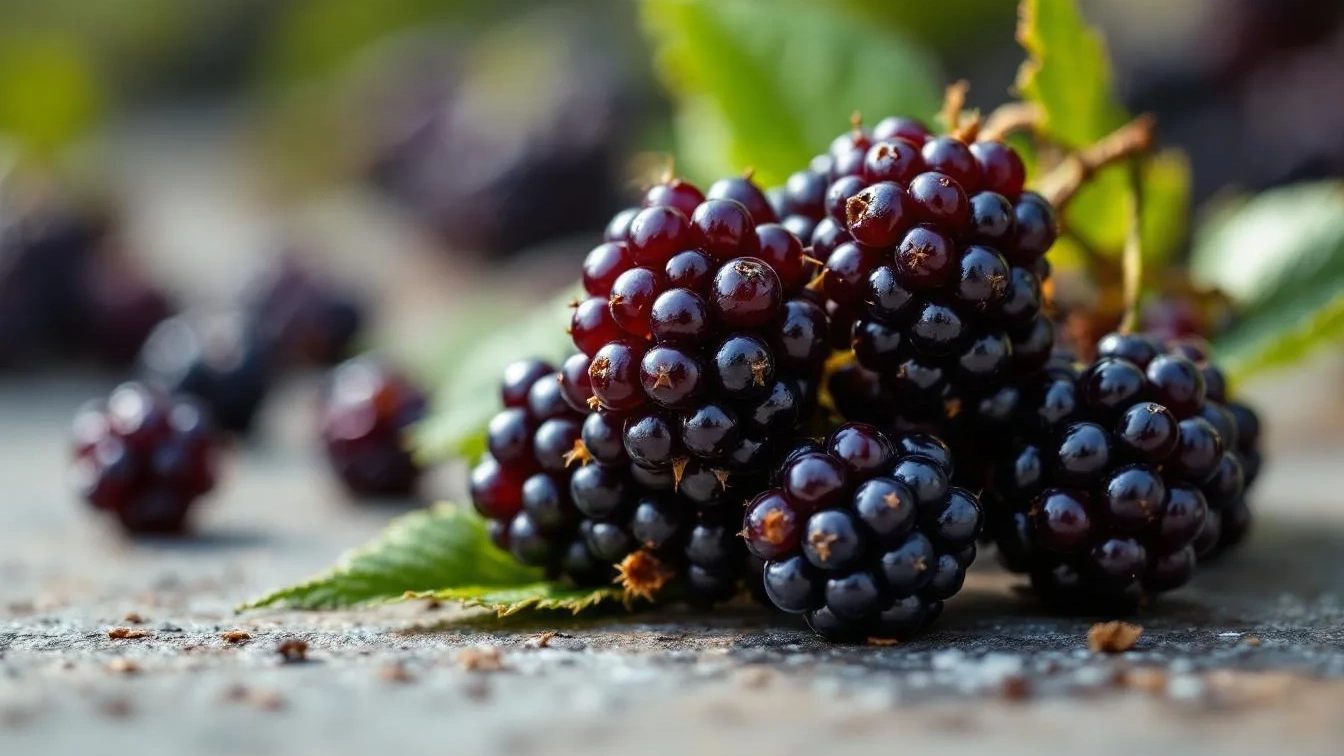
When it comes to gardening, blackberries often take center stage, but as I dive deeper into the advice given by the so-called “Master Gardeners” on YouTube, I can’t help but wonder if they’re revealing the whole truth. Are we really getting the best blackberry growing strategies, or are they glossing over important nuances? Let’s peel back the layers and uncover what you need to know.
Highlights
- 🌱 Planting blackberries during dormancy in December and January.
- ☀️ Sunlight and soil quality are key for healthy growth.
- 💧 Water and fertilizer requirements for optimum fruit yield.
- 🧑🌾 Trellising and pruning tactics to maximize production.
- 🐛 Pest control strategies that aren’t always shared by the experts.
Did you know that blackberry plants sprout new canes every year, following a unique two-year growth cycle?
Why Timing Your Planting Matters
In my early gardening days, I made the rookie mistake of planting blackberries at the wrong time. Little did I know, dormant season—mainly in December and January—is crucial for success. When I finally followed recommendations to plant during dormancy, my blackberry bushes flourished like never before. I dug holes large enough to accommodate the roots, trimmed any damaged ones, and made sure the base of each stalk was positioned about an inch higher than the surrounding soil.
Everyone thinks planting is just about sticking something in the ground. But if you’re serious about fruit cultivation, you need to press firmly to eliminate air pockets. Suddenly, simple instructions transform into a science. And let me tell you, nothing beats the sight of healthy new growth in the spring!
Sunlight and Soil: The Backbone of Blackberry Growth
Blackberries thrive in full sun—at least six hours a day. It’s almost laughable how many YouTube tutorials underestimate this. One year, I planted blackberries in a partially shaded area, simply hoping for the best. Spoiler: they sulked while those planted in the sun laughed heartily. My lesson was invaluable.
Speaking of soil, blackberries prefer sandy loam or loam soils. Ensure your soil drains well, or you risk waterlogged roots that could lead to a slow, painful demise. If your soil isn’t ideal, consider planting on a small mound. Trust me, it’s worth the extra effort!
Watering and Fertilizing: Nail the Basics
Your blackberries will require consistent moisture, especially from mid-May to October. It’s not just a suggestion—think of it as a prerequisite for success. I learned the hard way that irregular watering leads to shriveled, sad fruit. Picture this: 1-2 inches of water weekly, split into two irrigation sessions. No overhead watering, please! It just invites rot and disease.
Now, let’s talk about fertilizer. I never used to think much about it until I saw the difference it made. An annual application of nitrogen in January—a solid 5-6 pounds of a balanced fertilizer per 100 feet—can bring your plants to life. I occasionally use manure or compost, but timing is key; think late fall or early winter for those amendments.
Trellising and Pruning: Supporting Their Potential
If you’re serious about growing blackberries, you will need a trellis. I’ve seen people grapple with tangled canes, while a simple two-wire system allows for strong upright growth without chaos. The top wire should be around 3.5 feet off the ground, providing support without stifling growth.
During that first year, resist the urge to prune. New canes will grow and flourish, but leave them alone until the following spring. Once harvest season wraps up, cut the spent canes back to the ground and train the healthiest new canes. It’s simple but exhilarating to see how your plants respond positively to proper care.
Pest Control: What They Don’t Tell You
Ah, the pesky bugs. Most guides gloss over the fact that pests like the spotted wing drosophila can wreak havoc on your hard work. Picture tiny white worms lurking within your precious blackberries—horrifying, right? Stay vigilant by removing fallen or infected fruit immediately. Also, using plastic mulch can minimize these infestations.
Other pests, like redberry mites, may go unnoticed but can spoil your harvest. A timely intervention with sulfur or horticultural oil can save your crop. I learned the hard way, but you don’t have to!
Take Action: Join the Growing Community!
Are you ready to transition from passive viewer to active garden warrior? The world of gardening secrets isn’t just for *Master Gardeners*. Join online forums and local gardening clubs, or even follow along with engaging YouTube channels that prioritize in-depth knowledge. Your gardening journey is a community event!
Remember, success lies not in how many videos you watch but in how you apply what you’ve learned. So roll up those sleeves, dive in, and don’t forget to come back for more tips and tricks!
Embracing the blackberry truth has transformed my gardening experience. The balance between science and art is where the real magic happens. Whether you’re growing your first plant or refining your crochet-like trellising techniques, I can assure you that there is always something wonderful waiting to be discovered in the world of horticulture.